

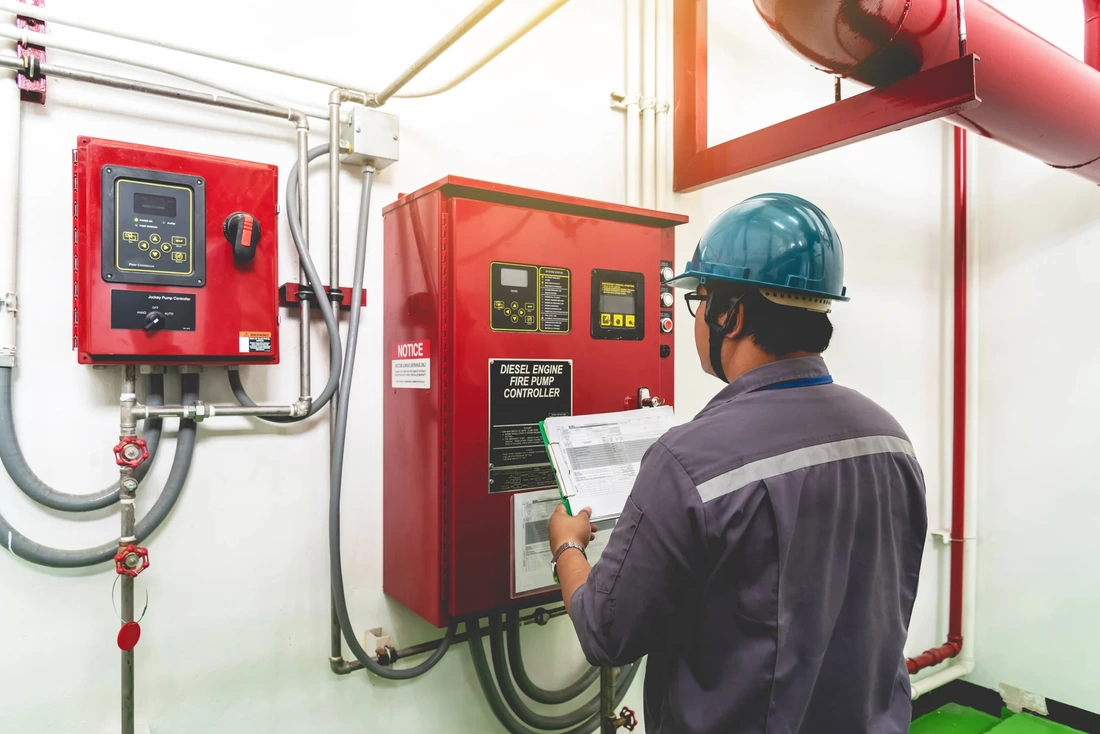
In modern building safety and emergency preparedness, a BDA Fire Alarm System is an important part of ensuring that communication remains clear and reliable during fire incidents. This system is designed to improve radio signal strength inside buildings so that firefighters and emergency responders can communicate without interruption. One of the most important steps in making this system work properly is conducting a detailed Bi-Directional Amplifier (BDA) site survey. This survey helps engineers understand how signals behave inside a building and identifies what improvements are needed to achieve full coverage and meet fire safety requirements.
What a BDA Site Survey Does
A BDA site survey is a detailed inspection of a building that focuses on measuring radio signal strength in all areas. The main purpose of this survey is to check whether emergency communication signals can reach every part of the structure. In many buildings, especially large or complex ones, signals can become weak or blocked due to thick walls, metal structures, elevators, or basement levels. These weak areas are known as “dead zones,” and they can become serious safety risks during emergencies.
To carry out the survey, trained engineers use specialized testing equipment that measures signal strength in real time. They move through different parts of the building, including stairwells, hallways, parking areas, upper floors, and underground spaces. Every measurement is recorded carefully to create a complete picture of how signals travel throughout the structure. This process helps identify exactly where signal loss happens and how severe it is.
Why Signal Testing Matters
Signal testing is a critical part of fire safety planning because emergency responders rely heavily on radio communication during rescue operations. If signals are weak or unstable, communication can break down, leading to delays in response or confusion among teams. In emergency situations, even a small communication failure can have serious consequences.
By performing accurate signal testing, engineers can detect these problems before they happen in real emergencies. This allows them to design solutions that strengthen weak areas and ensure consistent coverage throughout the building. A well-tested system gives confidence that communication will remain stable when it is needed most.
How the Survey Is Done
The process of a BDA site survey begins with a full walkthrough of the building to understand its layout and structure. Engineers then use signal measuring tools to collect data from different points inside the facility. They test multiple floors and areas to ensure no section is missed, especially places that are usually difficult for radio signals to reach.
Once all data is collected, it is carefully reviewed and analyzed. Engineers use this information to design a system that improves coverage in weak areas. They determine the best locations for antennas, cables, and BDA equipment placement. The goal is to create a balanced system that provides strong and consistent communication throughout the entire building.
Role in Emergency Communication
A Bi-Directional Amplifier system works by taking weak radio signals and boosting them so they can reach every part of a building. It also ensures that signals from emergency responders can travel back clearly to their communication base. This two-way communication is essential in emergency situations where fast and accurate coordination is required.
In fire incidents, clear communication helps emergency teams respond faster and more effectively. Firefighters need to receive updates, coordinate movements, and share information about conditions inside the building. Without a strong communication system, this process becomes difficult and dangerous. A properly installed BDA system helps eliminate communication barriers, even in areas like basements, stairwells, and reinforced concrete rooms where signals are usually weak.
Meeting Fire Code Requirements
Fire codes are strict safety rules that buildings must follow to ensure the protection of people and property. One of the key requirements in many fire codes is the availability of reliable communication for emergency responders. A properly designed BDA system helps meet this requirement by ensuring that radio signals remain strong throughout the building.
However, achieving compliance is not just about installing equipment. It begins with accurate planning through a proper site survey. If the survey does not correctly identify weak signal areas, the system may fail to provide full coverage. This can lead to safety risks and potential violations of fire safety regulations.
A well-executed survey ensures that the BDA system is designed based on real building conditions. This reduces the chance of errors and helps ensure that the system meets all necessary fire code standards while providing dependable communication during emergencies.
Integration with Fire Control Panels EST3 and EST4
Modern fire safety systems often rely on advanced fire control panels such as EST3 and EST4, which are designed to manage multiple safety functions in one system. These panels connect fire alarms, smoke detection, security alerts, and emergency communication systems, allowing them to work together in a coordinated way during emergencies.
When a BDA system is integrated with these fire control panels, it enhances the overall performance of the building’s safety system. The integration ensures that emergency signals are transmitted clearly and consistently across all areas. It also helps centralize communication, making it easier for emergency teams to respond quickly and efficiently.
This integration process requires careful design and proper planning. Engineers must ensure that the BDA system works smoothly with the fire alarm system without signal loss or delay. Proper testing and configuration are important to ensure that all systems operate together reliably during real emergency situations.
Conclusion
A properly designed BDA Fire Alarm System is essential for modern fire safety in buildings of all sizes. It ensures that emergency responders can communicate clearly and effectively, even in areas where radio signals are usually weak or blocked. The foundation of this system is an accurate BDA site survey, which provides the detailed information needed to design a strong and reliable communication network.
When combined with advanced fire control systems like EST3 and EST4, the BDA system becomes even more effective in supporting emergency response. Together, they help improve safety, ensure compliance with fire codes, and create a more reliable communication system that can perform well under emergency conditions.