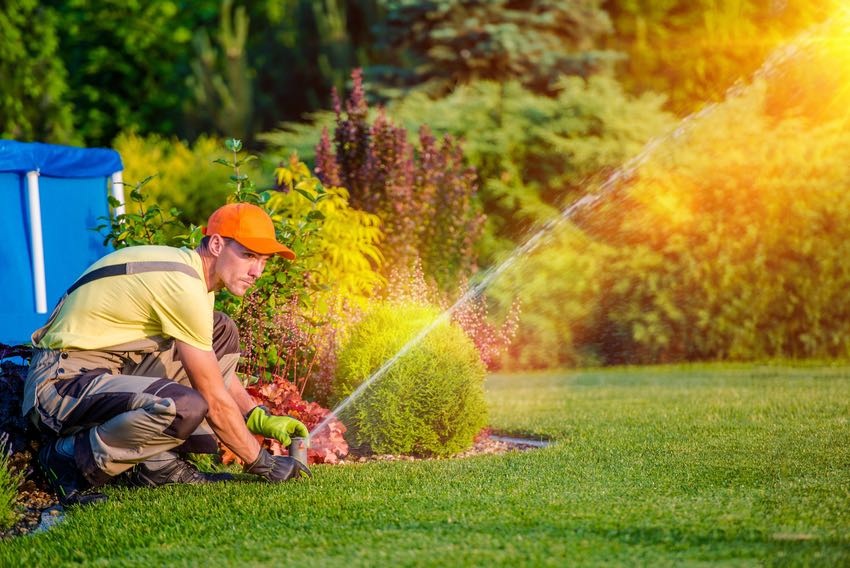
A well-functioning sprinkler is essential for maintaining healthy outside locations, whether you take care of a lush green backyard or a thriving garden filled with the following flowers, shrubs, and herbs. Understanding these dissimilarities helps you analyze issues faster, forestall water waste, and guarantee plants sustain much of the moisture.
This article illustrates how sprinkler repair varies in lawns and gardens, common questions in each field, and experienced tips for enduring performance.
Lawn Sprinkler Systems
Lawn plans are typically designed for uniform water inclusion across large, open fields.
Key characteristics:
- Pop-up or turning sprinkler heads
- Wide spray patterns for even inclusion
- Shallow root watering
- Timed watering schedules
Garden Sprinkler Systems
Garden irrigation focuses on addressing watering to suit various plant types.
Key characteristics:
- Drip watering, micro-sprayers, or soaker hoses
- Precise water delivery at the root zone
- Reduce water pressure
- Custom layouts established plant needs
These structural distinctness’s directly influence how repairs are begun.
Ordinary Sprinkler Problems in Lawns
Lawn sprinkler systems face issues chiefly due to foot traffic, mowing supplies, and exposure.
1. Typical Lawn Sprinkler Issues
- Broken or sunken sprinkler heads from mowing or soil establishment
- Uneven spray patterns caused by hindered nozzles
- Low water pressure leading to dry patches
- Leaking valves or pipes under the earth
- Heads not popping up completely due to soil buildup
2. Lawn Sprinkler Fixing Tips
During lawn sprinkler repair, focus on replacing uniform coverage.
- Replace broken or cracked sprinkler heads promptly
- Clean hindered nozzles with water and a stiff brush
- Adjust sprinkler altitude so heads sit level with the turf
- Check for subversive leaks if you notice soggy patches
- Re-join spray direction to prevent sidewalks and driveways
Common Sprinkler Problems in Gardens
Garden irrigation systems are more delicate and may be affected by plant growth, soil flow, and debris.
1. Typical Garden Sprinkler Issues
- Blocked trickle emitters from soil or mineral deposits
- Cracked tights due to sunlight exposure or incidental damage
- Uneven water flow across different plant zones
- Overwatering delicate plants
- Disconnected or loose fittings
2. Garden Sprinkler Repair Tips
Garden sprinkler repairs prioritize accuracy and plant health.
- Flush trickle lines regularly to erase debris
- Replace blocked or damaged emitters instead of forcing water through
- Secure tubing away from sharp edges or weighty tools
- Adjust flow rates, established plant type, and season
- Check emitters near increasing roots, that can shift lines
Key Differences in Repair Approach
Repairing sprinklers in lawns against gardens requires various techniques and considerations.
1. Lawn Repairs Focus On:
- Even coverage across expansive areas
- Correct spray range and pressure
- Durability against physical impact
- Preventing water drainage and waste
2. Garden Repairs Focus On:
- Exact water delivery to roots
- Protecting delicate parts
- Avoiding water contact with leaves
- Customising flow for mixed plant types
When to Consider Professional Help
While minor repairs are controllable, some positions require professional knowledge.
Call a professional sprinkler contractor if you notice:
- Persistent low water pressure
- Multiple subversive leaks
- Electrical or controller malfunctions
- Extensive pipe damage
- Rising water bills outside visible leaks
Conclusion
Lawn sprinkler repairs focus on stamina and uniform coverage, while garden sprinkler repairs emphasise accuracy and plant-particular watering.
By understanding these distinctness’s and performing routine maintenance, you can maintain both your backyard and garden alive, water-efficient, and clearly appealing throughout the period.